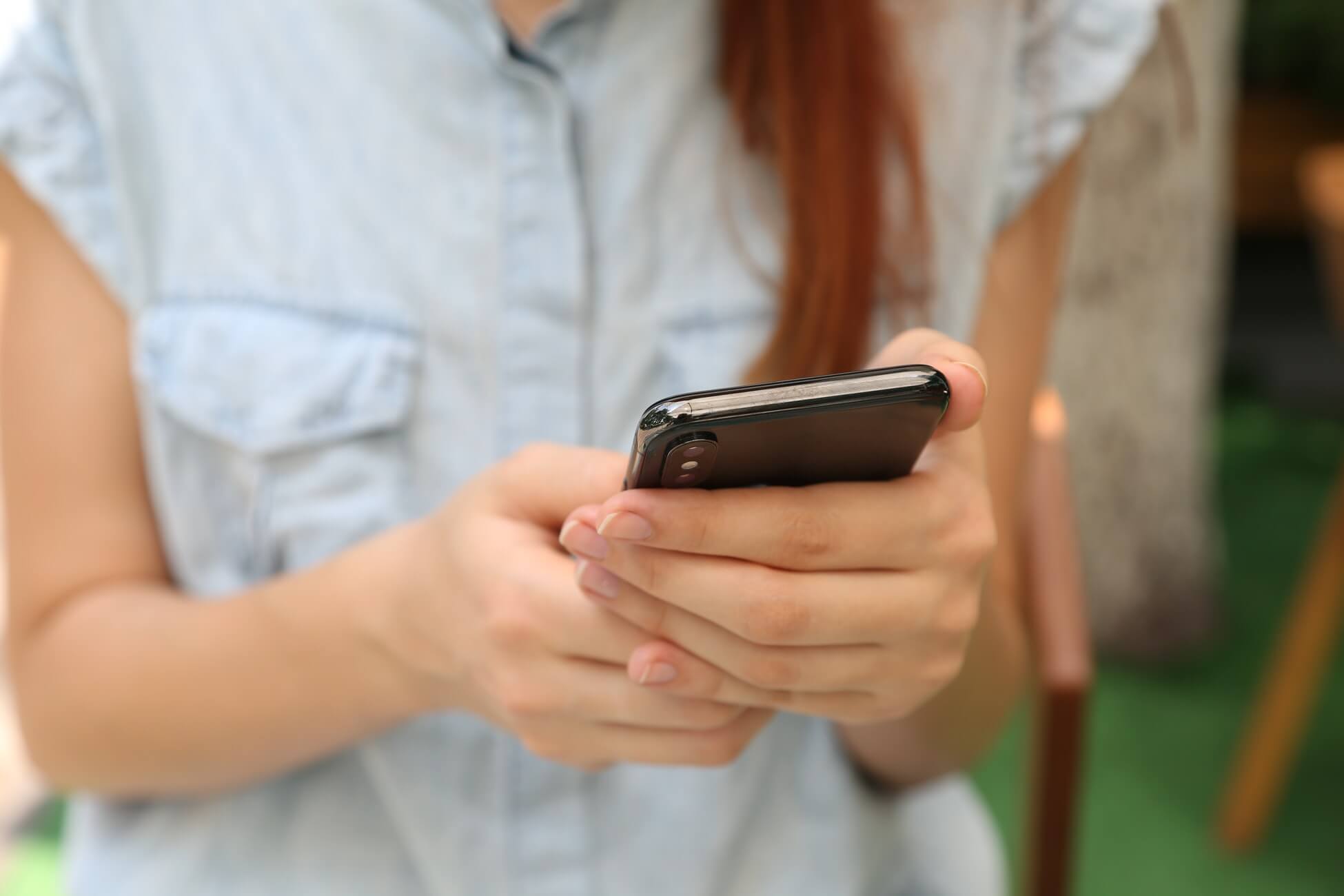
How Social Media Slowly Disrupts Young Lives
Example 1: The Comparison Trap
A 19-year-old college student once shared how Instagram made her feel like a failure. Every post she saw showed friends traveling, achieving milestones, or looking “perfect.” Over time, this constant comparison lowered her self-esteem, disrupted her sleep, and led to anxiety before exams. In reality, she was doing well academically—but social media convinced her otherwise.
Example 2: Dopamine Dependency and Academic Decline
Another common pattern I observe is among teenagers who are addicted to short-form videos. One young boy spent 6–7 hours daily on reels and gaming content. His attention span reduced drastically, his grades dropped, and he became irritable when his phone was taken away. What looked like “normal usage” slowly turned into emotional dependency.
Real-Life Therapy Experiences: How Recovery Happens
Case 1: Reclaiming Focus and Confidence
A 22-year-old engineering student came to therapy after realizing he couldn’t stay away from social media even during exams. Through structured therapy sessions, we worked on digital detox planning, impulse control techniques, and rebuilding real-world confidence. Within eight weeks, his screen time reduced by over 60%, his sleep improved, and his academic focus returned.
Case 2: Healing Emotional Dependency
In another case, a young working professional used social media as an escape from loneliness. She felt anxious and restless whenever she was offline. Through counseling, emotional regulation strategies, and gradual offline engagement, she learned to build healthier coping mechanisms. Today, she uses social media consciously—without it controlling her mood or self-worth.
Why a Short Break Makes a Big Difference
A short break from social media doesn’t mean quitting forever. It means giving your mind space to breathe. Even a 7–10 day conscious break can:
-
Improve sleep quality
-
Reduce anxiety and overthinking
-
Increase productivity and concentration
-
Help reconnect with real relationships
-
Restore emotional balance
A Psychologist’s Advice
Social media is a tool—not a measure of your worth. If you notice mood swings, constant comparison, poor sleep, or loss of focus linked to screen time, it’s a sign your mind needs a pause. Seeking professional guidance early can prevent deeper emotional distress.
As a clinical psychologist working with individuals across Ghaziabad and Noida, my goal is to help people regain control over their minds, emotions, and lives—both online and offline.
Remember: Sometimes, logging out is the first step toward logging back into yourself.